
Pros and Cons of Changing Your RV's Propane Gas Range to an Induction Range
4/26/20262 min read
Introduction
Upgrading your recreational vehicle (RV) kitchen can significantly enhance your culinary experience while on the road. One increasingly popular upgrade is replacing a traditional propane gas range with an induction range. This decision can come with various advantages and disadvantages, making it essential to weigh the pros and cons before making a change.
Advantages of Induction Ranges
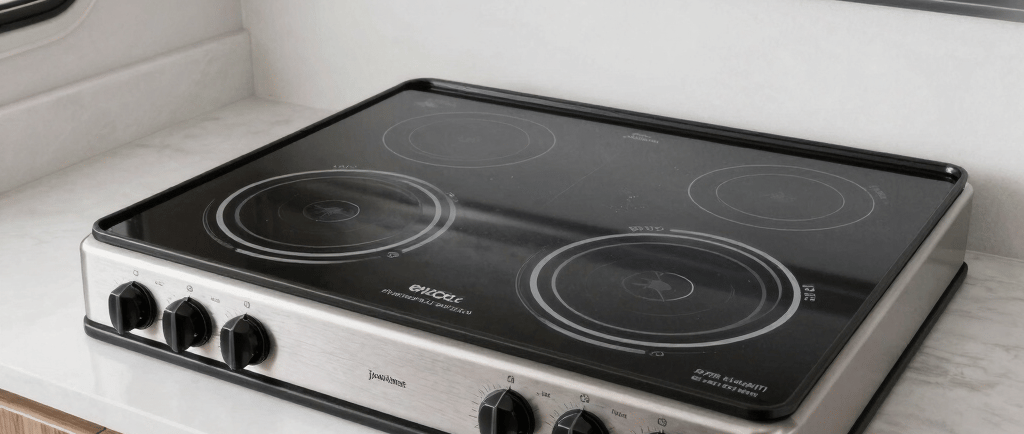
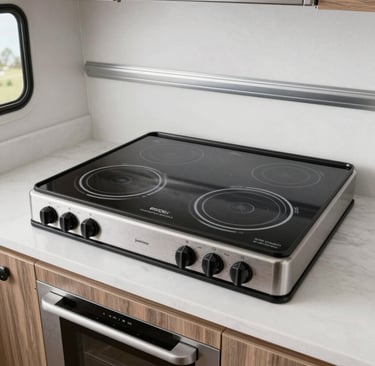
Induction ranges offer numerous benefits, particularly for RV owners. One of the most notable advantages is their energy efficiency. Induction cooktops use electromagnetic energy to heat pots and pans directly, which results in faster cooking times and less wasted heat. This is especially important in an RV, where conserving energy is crucial.
Another major benefit is safety. Induction cooktops remain cool to the touch, reducing the risk of burns or fires, a critical concern in the confines of an RV. When the cookware is removed from the heat, the induction element turns off automatically, offering peace of mind, especially for families traveling with children or pets.
Additionally, induction ranges are easier to clean than traditional gas ranges. The flat cooktop surface allows spills to be wiped away effortlessly, making it an attractive option for those who wish to minimize kitchen maintenance during their travels.
Disadvantages of Induction Ranges
Despite their advantages, there are some drawbacks to consider when switching from a propane gas range to an induction range. One significant concern revolves around the compatibility of cookware. Induction cooktops require ferrous metal pans, meaning that aluminum, glass, and some non-stick options will not work. Consequently, you may need to invest in new cookware, which can be an added expense.
Another consideration is the power requirements of induction ranges. While they are energy-efficient, they typically require a significant amount of electricity to operate effectively. Many RVs may not be outfitted with sufficient electrical systems to support an induction range, which can lead to complications when boondocking or relying on solar power. In such cases, using propane may still be a more viable and practical solution.
Conclusion
In summary, changing out a propane gas range for an induction range in your RV presents both opportunities and challenges. The boost in energy efficiency, safety features, and ease of cleaning make induction ranges a compelling option for many RV owners. However, the need for compatible cookware and sufficient power supply can complicate this switch. By carefully considering these pros and cons, you can make a well-informed decision that best suits your RV lifestyle.