
Essential Tips for Connecting a Sewer Hose at a Campsite
4/26/20262 min read
Introduction to Sewer Hose Connection
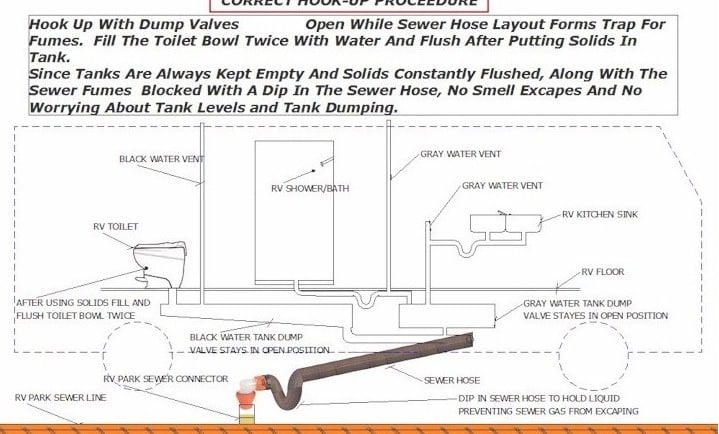
Connecting a sewer hose to a campsite sewer system is a fundamental task for RV campers. Understanding the correct procedures will not only ensure a hygienic setup but also enhances your camping experience by preventing unnecessary unpleasant surprises. This article provides several essential tips for connecting a sewer hose, allowing you to confidently set up your RV before enjoying the great outdoors.
Step-by-Step Guide to Proper Hose Connection
To begin, you'll want to gather the necessary equipment, including the sewer hose, sewer hose support, and any required adapters. Once you have everything in place, follow these steps:
1. Prepare the Area: Before connecting the sewer hose, ensure the area surrounding the sewer inlet is clean and free of debris. This minimizes the risk of contamination while you work. Always wear gloves to protect your hands.
2. Extend the Sewer Hose: Unroll your sewer hose and connect one end to your RV’s waste outlet. Ensure it is securely attached. Use a hose clamp if necessary to prevent leaks.
3. Position the Hose: Use a sewer hose support to elevate the sewer hose, allowing gravity to assist in waste flow. The other end of the hose should lead to the sewer inlet at the campsite. Make sure it is placed securely in the inlet, ensuring a snug fit.
4. Seal All Connections: Tighten the fittings, and if your setup includes a threaded adapter, ensure it’s firmly secured. Check for any visible leaks before you start using your toilet and sinks.
Safety and Hygiene Protocols
Adhering to proper hygiene practices while handling sewer hoses is critical. Here are some tips to maintain safety:
1. Always Wear Protective Gear: Gloves and, when necessary, a mask will help shield you from germs.
2. Clean Your Hose: After each use, thoroughly rinse your sewer hose with clean water to eliminate waste residue. Consider using specialized cleaning solutions designed for RV sewer hoses to ensure complete sanitation.
3. Store Properly: After cleaning, store the hose in a designated compartment, separate from your fresh water and food supplies to prevent cross-contamination.
Conclusion
Connecting a sewer hose at a campsite doesn’t have to be a daunting task. By following these essential tips, RV owners can ensure a secure connection while prioritizing hygiene. Whether you're an experienced camper or a novice, taking the time to understand the process can greatly enhance your camping experience. Safe travels and happy camping!